

Structural Shifts Quietly Rewiring the Global Food System
Why food is changing faster than it looks
Ameya Dhupelia and Argo Advisory
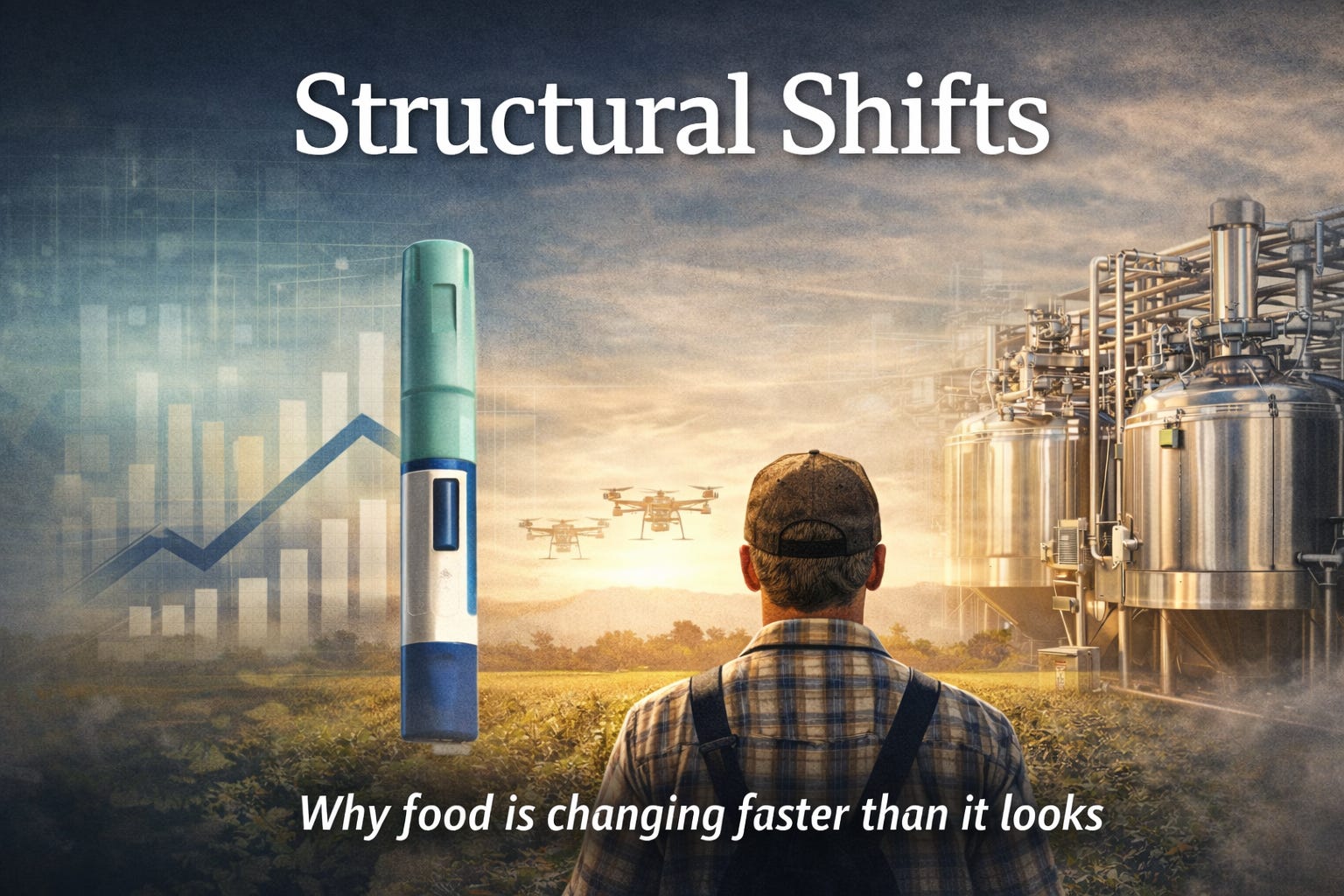
Most people assume food changes slowly.
Farms still look like farms. Supermarkets still look like supermarkets. Dinner still looks familiar. But beneath that surface stability, the food and agriculture system is undergoing a set of structural changes driven by economics, labor, biology, and industrial efficiency not trends or ideology.
For readers outside food and agriculture, this matters for a simple reason: food is a $9–10 trillion global system, and when its cost structure shifts, the ripple effects hit healthcare, labor markets, inflation, climate risk, and capital allocation.
Four forces, in particular, are reshaping the system heading into the second half of the decade.
1. GLP-1s: When Medicine Changes What and How Much We Eat

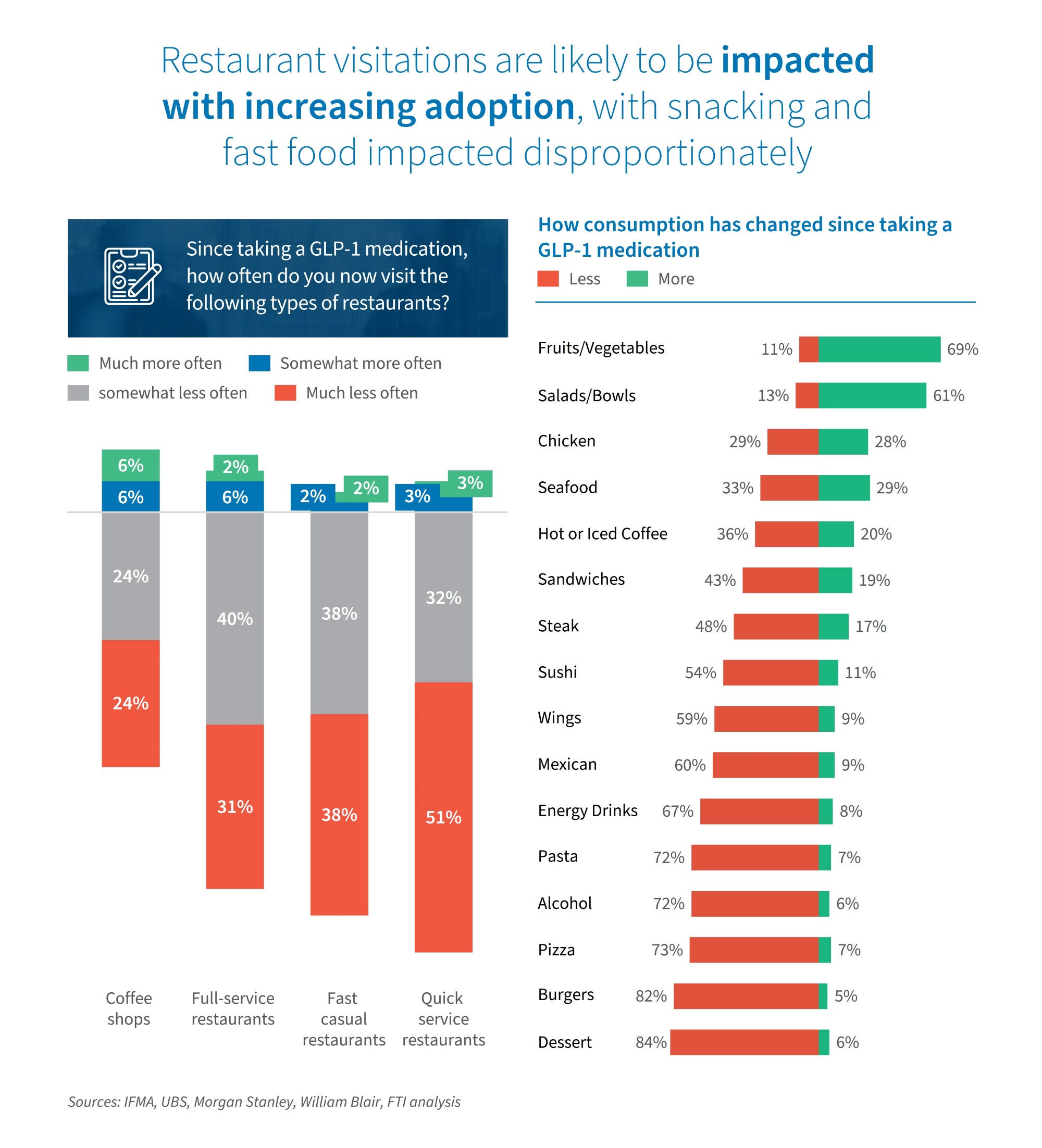
GLP-1 drugs are usually discussed as a healthcare breakthrough. That framing misses the bigger point.
They are also a demand shock to the global food system.
GLP-1 medications reduce appetite and slow gastric emptying, leading users to consume materially fewer calories per day. Across clinical trials and real-world data, users consistently reduce:
- Snacking and impulse eating
- Sugary beverages
- Alcohol
- Highly processed, low-satiety foods
What makes this different from past diet trends is persistence. GLP-1s are increasingly positioned as long-term metabolic treatments, not short-term weight-loss aids.
Large strategy firms estimate that tens of millions of consumers in developed markets could be on GLP-1s within a decade. Even conservative penetration assumptions imply a structural reduction in calories consumed per capita, not just brand switching.
Why this matters
Food companies have historically relied on volume growth. GLP-1s quietly challenge that assumption.
The winners won’t be “diet brands.” They will be products that justify their calories through:
- Protein density
- Satiety
- Functional nutrition
Food is becoming less about indulgence, more about efficiency.
2. Continuous Fermentation: The Industrial Upgrade Food Can No Longer Avoid
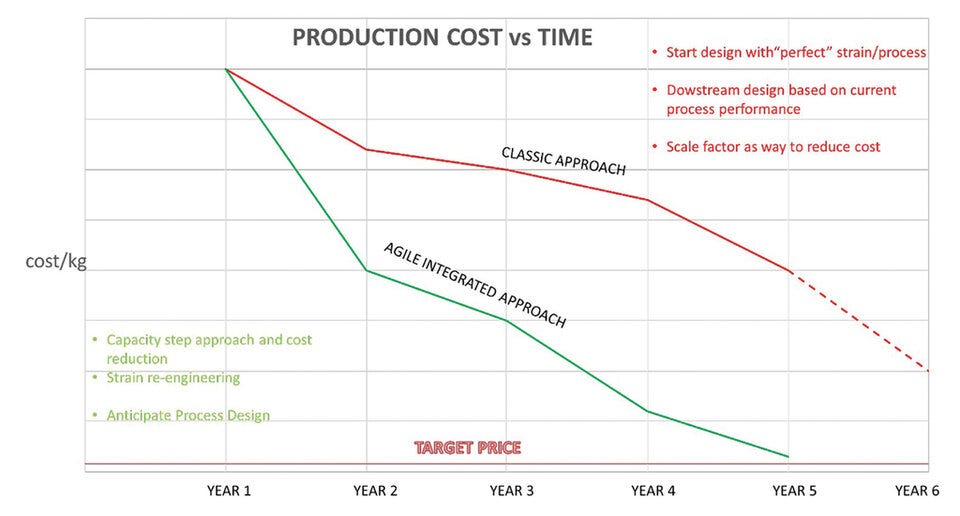
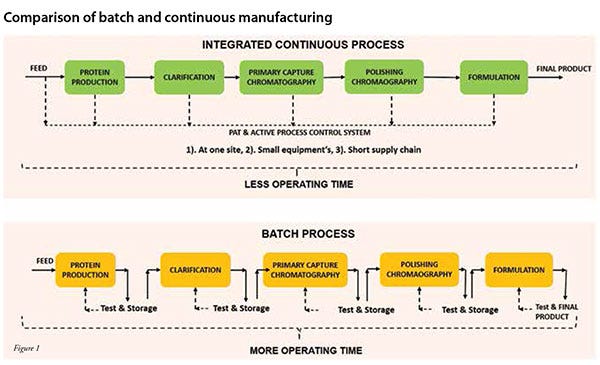
Many of the ingredients underpinning modern food — enzymes, proteins, fats, functional inputs — are made via fermentation. Surprisingly, much of this production still relies on batch processing, a system designed decades ago.
Batch systems are:
- Stop-start
- Capital intensive
- Energy inefficient
- Inconsistent at scale
Continuous fermentation flips that model.
Instead of discrete production runs, systems operate in steady state, delivering:
- Higher asset utilization
- Lower cost per unit
- More consistent quality
- Better energy efficiency
Industrial research across sectors shows that moving from batch to continuous processes can deliver 20–50% operating cost reductions, with 2–4x productivity gains per asset in biomanufacturing environments.
Why this shift is accelerating now:
- Synthetic biology tools are more predictable
- Customers demand price parity, not green premiums
- Capital markets punish inefficient scale
This isn’t a futuristic food story. It’s an industrial discipline story.
Just as cloud computing quietly replaced on-prem servers, continuous fermentation is becoming the default for companies serious about scale.
3. Biologicals & Carbon: From Sustainability Narrative to Farm Economics
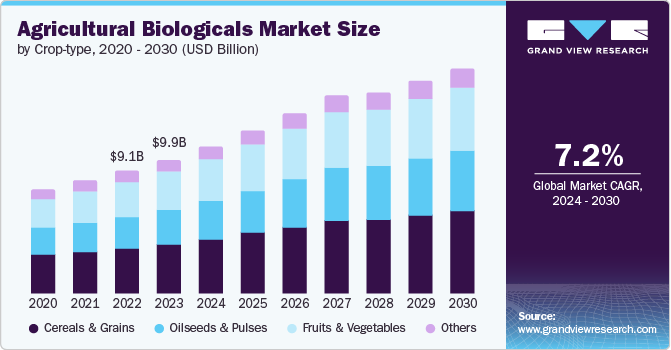
For years, regenerative agriculture lived mostly in presentations and pilot programs. Adoption lagged because benefits were vague and economics uncertain.
That’s changing.
Agricultural biologicals — microbes, bio-stimulants, and bio-fertilizers — are increasingly adopted because they improve yield stability and input efficiency, not because they sound sustainable.
Structural drivers:
- Volatile synthetic fertilizer prices
- Climate-driven yield risk
- Better on-farm data validating performance
Market data shows biological inputs growing at double-digit annual rates, significantly faster than conventional agrochemicals.
Carbon markets are also maturing — not explosively, but meaningfully. The focus is shifting away from abstract offsets toward:
- Practice-based measurement
- Verified soil outcomes
- Supply-chain risk mitigation
For food companies, carbon is less about credit revenue and more about resilience.
For farmers, adoption boils down to one question:
Does this improve my economics this season?
Increasingly but paced, biologicals answer yes.
4. AI & Robotics: Solving Agriculture’s Hardest Constraint — Labor
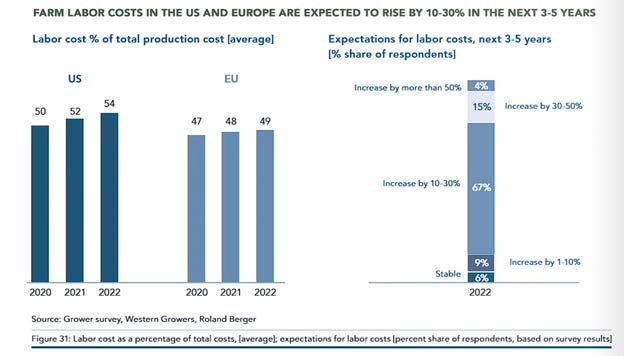
From the outside, agriculture looks labor-intensive. From the inside, it is labor-constrained.
Across developed markets:
- The average farmer is nearing retirement age
- Seasonal labor is unreliable
- Specialty crops remain heavily manual
At the same time, consumers expect food prices to stay low.
AI-enabled robotics are emerging to resolve that contradiction.
Recent advances allow systems to:
- Identify crops and ripeness in real time
- Navigate unstructured environments
- Improve accuracy season after season
Economic research suggests AI-driven automation could unlock hundreds of billions of dollars in annual value across global food systems by improving productivity and reducing waste.
This is not about replacing workers where labor is abundant.
It is about keeping food production viable where labor is scarce.
The Bigger Picture
Taken together, these shifts point in one direction.
Food and agriculture are becoming:
- Less volume-driven, more value-per-unit driven
- Less batch-based, more continuous and efficient
- Less narrative-led, more economically disciplined
- Less dependent on manual labor, more software-enabled
This transformation won’t be obvious in the grocery aisle tomorrow. But it is already reshaping cost curves, capital allocation, and competitive advantage across the system.
Food isn’t becoming less human.
It’s becoming more industrial, because it has to.
POLL
What’s the bigger force reshaping the food system right now?
🧬 Biology & health
🤖 Technology & automation
5 VOTES · · SHOW RESULTS
Sources & Knowledge Centers
Insights synthesized from publicly available research and analysis by:
- Bain & Company — industrial efficiency and processing economics
- BCG — GLP-1 market impact and consumer behavior
- McKinsey — AI, automation, and productivity in food systems
- S&P Global — agricultural inputs, biologicals, and sustainability markets
- FAO / USDA — labor and production data
(All insights paraphrased and independently interpreted.)
About Argo Advisory
Argo Advisory works with investors, founders, and corporates at the intersection of food, agriculture, climate, and industrial technology. We focus on identifying structural shifts early, translating technical change into clear strategic and capital implications, and supporting decision-making across private markets.
Reach out at office@argo-advisory.com – we’d love to hear from you